
Published Jan 2025
Subscribe to receive latest resources on supply chain design
Supply chain optimization is widely seen as strategic, yet many initiatives struggle to secure funding or long-term executive support. The issue is rarely a lack of value-it’s the way ROI is measured.
Unlike traditional projects, optimization delivers value across multiple dimensions at the same time. When ROI is framed only as short-term cost savings, the full business impact is understated, and strong initiatives lose credibility.
To build meaningful business cases, organizations must first understand where optimization creates ROI.
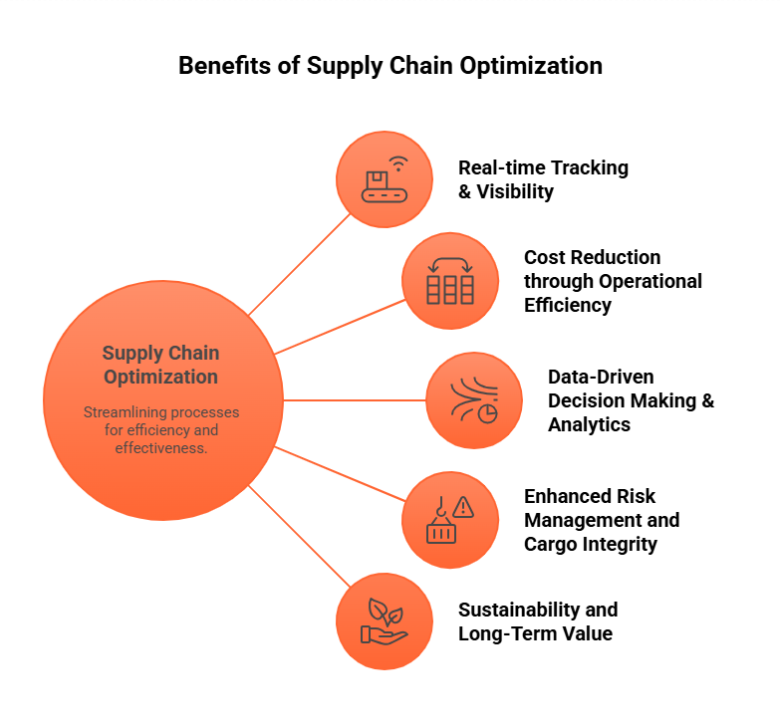
Effective ROI measurement reflects how supply chains operate as systems- not as isolated cost Centers.
Cost Reduction: Optimization reduces transportation spend, facility operating costs, expediting, and inefficiencies embedded in network design. More importantly, it enables structural cost improvements that persist over time.
Inventory & Working Capital: Better network design shortens lead times, improves inventory placement, and reduces safety stock. These changes free working capital and improve cash flow-often delivering more sustainable ROI than cost savings alone.
Service & Revenue Protection: Improved service reliability reduces late deliveries, variability, and customer churn. In many cases, the ROI of optimization comes from preventing revenue loss, not increasing sales.
Risk & Resilience: Scenario-driven optimization allows organizations to test disruptions before they occur, design more resilient networks, and recover faster when disruptions happen. Avoided losses and faster recovery are real, measurable outcomes.
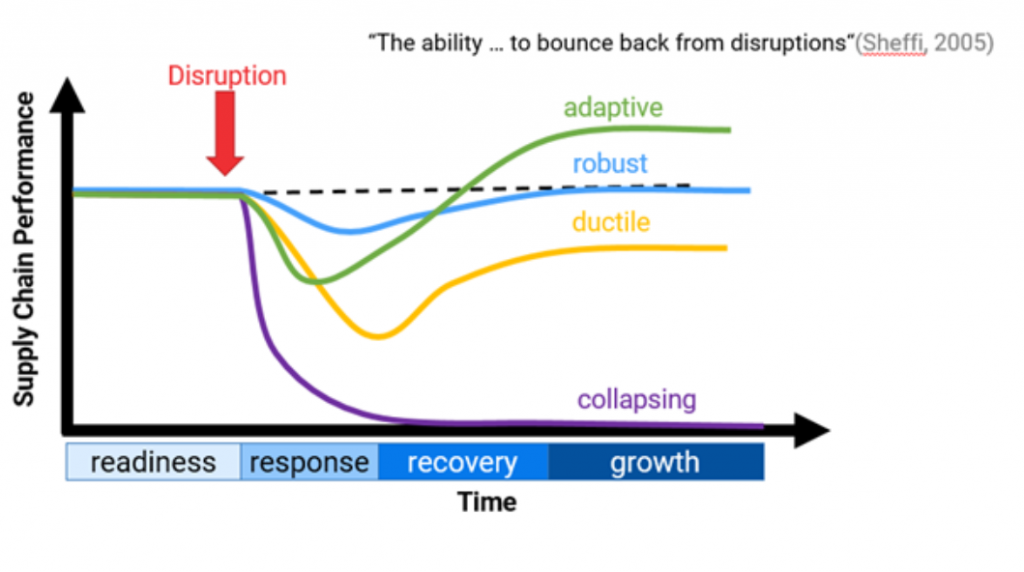
The most advanced organizations no longer ask, “What’s the ROI of this one optimization project?” They ask, “What is the ROI of making better decisions-every day?”
When optimization becomes a continuous decision capability rather than a one-time initiative, ROI shifts from assumption-based estimates to measurable, defensible outcomes across cost, inventory, service, and resilience.
The ROI that really matters is the one leader can explain, defend, and deliver.