
Consumer Electronics: Designing Smarter Supply Chains for a Smarter World

In the dynamic world of Consumer Electronics, success is powered by speed, innovation, and agility. Whether it’s smartphones, wearables, smart home devices, or gaming consoles customer expectations are sky-high, and product lifecycles are razor short.
Network Design: The Secret Sauce Behind Agile Food and Beverages Supply Chains

In the fast-paced Food & Beverage (F&B) industry, delays, inefficiencies, and inflexible networks can mean lost freshness, higher costs, and unsatisfied customers. From perishables to packaged goods, F&B supply chains must strike the right balance between cost, speed, freshness, and resilience.
That’s where Optiflow, a network design and optimization platform, can drive transformative change.
The End of the De Minimis Exception
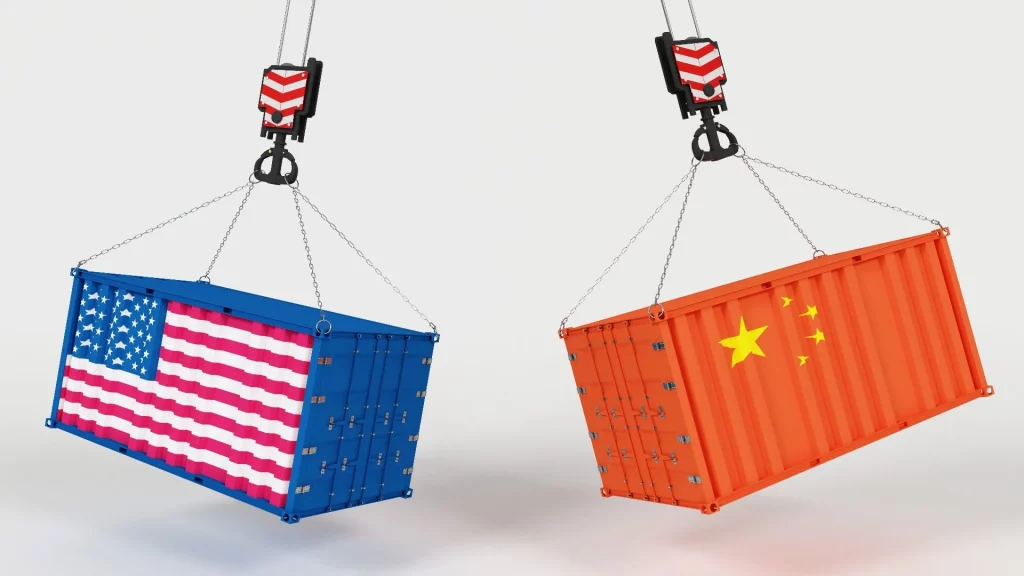
With the U.S. ending the de minimis exemption for duty-free imports from China and Hong Kong, the days of bypassing customs duties on low-value shipments are over.
What does this mean for platforms like Shein, Temu, and every e-commerce brand relying on foreign fulfillment? A dramatic increase in costs, delays, and operational complexity. But for agile supply chain leaders, this policy shift is also an opportunity to build more resilient, cost-optimized networks.
Trade Under Fire: Sectoral Insights into the Global Tariff Disruption

The global trade landscape is undergoing a seismic shift, marked by a resurgence of protectionist policies and a growing trend toward de-globalization. The United States’ aggressive tariff stance targeting imports from China, Europe, and even countries indirectly linked to strategic rivals has amplified global trade tensions. As nations retaliate and supply chains fracture, industries worldwide are facing a new era of uncertainty. Tariffs, once used sparingly, are now becoming central to economic and geopolitical strategy. From heavy duties on Chinese semiconductors to sweeping proposals affecting auto imports and consumer goods, the ripple effects are being felt across manufacturing hubs, retail markets, and boardrooms alike. This evolving trade regime is prompting companies to rethink sourcing, pricing, and production strategies at a foundational level.
Navigate Tariff Turbulence with Strategic Network Design

Global supply chains are under siege. From rising tariffs to trade wars and geopolitical instability, international businesses are navigating a maze of new costs, delays, and disruptions.
How Network Analytics Can Improve Your Logistics Performance

In today’s hyper-competitive supply chain environment, logistics is no longer just about moving goods from Point A to Point B. It’s about doing so with precision, efficiency, and agility. This is where Network Analytics comes in ,a powerful, data-driven approach that helps companies transform their logistics operations from reactive to strategic. By examining the entire logistics network holistically, network analytics reveals insights that traditional methods often overlook.
Historical vs. Modern Approaches to Network Optimization

In today’s fast-moving world, supply chains are more complex than ever, making network optimization essential for efficiency, cost reduction, and staying ahead of the competition. While traditional methods laid the groundwork, they often fall short in addressing today’s dynamic challenges. This article explores the limitations of past approaches and how modern, data-driven strategies are reshaping supply chain network optimization.
AI Revolutionizing Supply Chain Management: A Deep Dive

BLOG AI Revolutionizing Supply Chain Management: A Deep Dive Published Mar 2025 Table of Contents Subscribe to receive latest resources on supply chain design The intricate world of supply chain management, encompassing everything from procurement to delivery, is undergoing a transformation fueled by Artificial Intelligence (AI). AI’s potential to optimize processes, streamline operations, and boost […]
AI in Supply Chain: A Powerful Tool, But Not Without Risks

BLOG AI in Supply Chain: A Powerful Tool, But Not Without Risks Published Mar 2025 Table of Contents Subscribe to receive latest resources on supply chain design Artificial Intelligence (AI) is revolutionizing supply chain management, promising increased efficiency, cost savings, and improved customer satisfaction. However, before diving headfirst into AI implementation, it’s crucial to understand […]
Optimizing Routes with Our Advanced Route Optimization Tool

BLOG Optimizing Routes with Our Advanced Route Optimization Tool Published Mar 2025 Table of Contents Subscribe to receive latest resources on supply chain design Introduction Efficient route planning is a critical challenge for businesses involved in logistics, e-commerce, and transportation. Our Route Optimization Tool is designed to tackle these challenges by providing optimal routing solutions […]